
House Shifting Checklist: Kalyan to Thane Without Breakage or Disputes
A 1BHK or 2BHK move across the Kalyan–Dombivli–Thane belt takes a day when it is planned and three when it is not. The checklist, in order.
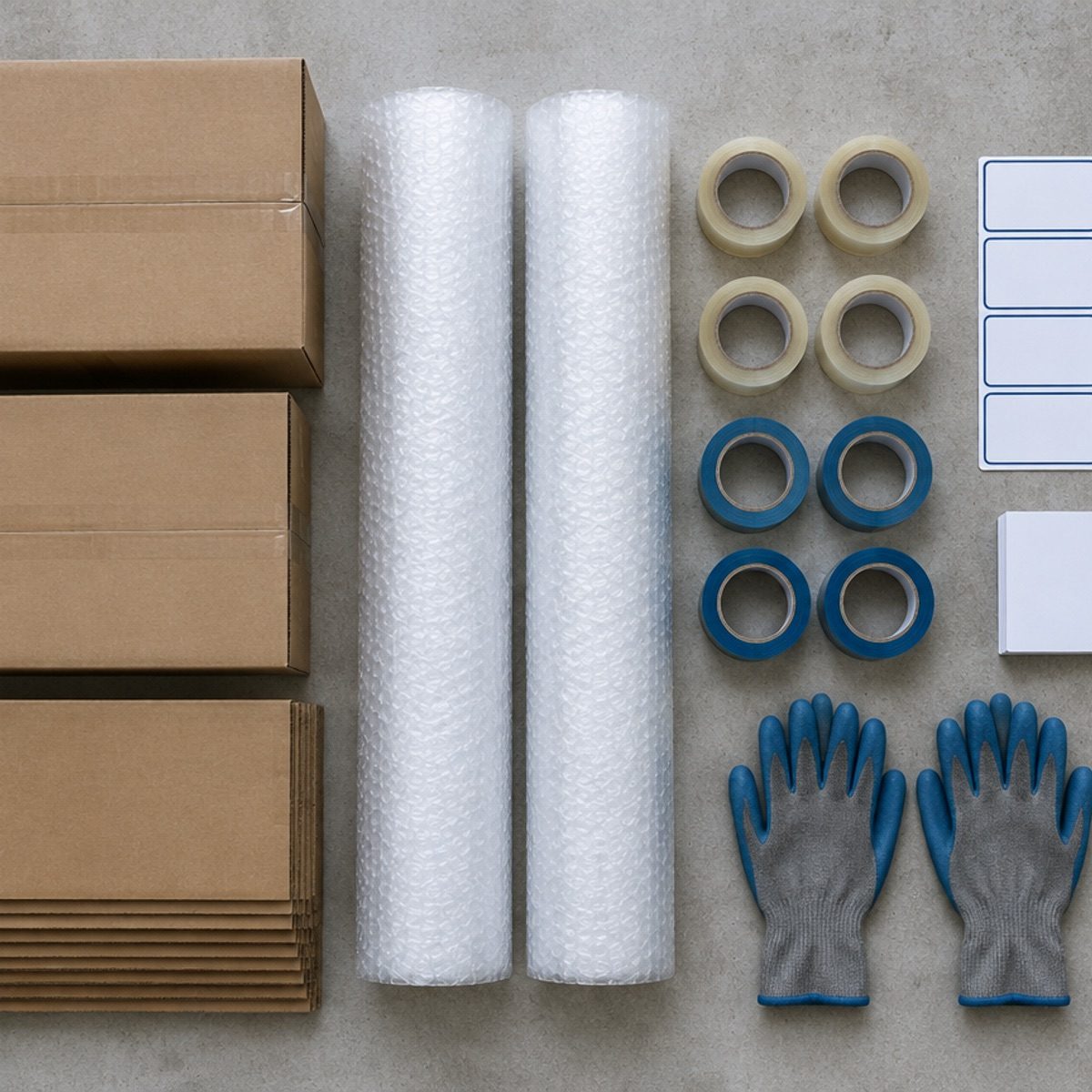
Moves inside the Mumbai metropolitan region are short in distance and long in logistics: lift access at both ends, society gate permissions, traffic windows and the physical reality of a hundred cartons. The distance between Kalyan East and Thane West is forty minutes — the move is still a full day of coordinated work. This checklist covers the parts that go wrong.
Four weeks out: lock the basics
Confirm the move date with both landlords and both societies before booking anyone. Society rules differ on permitted moving hours, lift use, and whether a deposit is required for lift protection. Get the answer in writing from the office, not from a neighbour.
Then list the inventory properly. A “1BHK” means nothing to a mover — one 1BHK holds a single wardrobe and a sofa, another holds three wardrobes, a dining table for six and a treadmill. Walk room by room and note furniture items, appliances and the rough carton count.
Book the quotation off that list, not off the flat size. Providers who quote by square footage either overcharge or arrive under-resourced.
Three weeks out: decide what actually moves
Every move is the cheapest moment to discard. Sort into three stacks:
- Moving. Furniture, appliances, electronics, clothing, kitchen, sentimental items.
- Selling or donating. Anything not used in a year. Sofas and wardrobes have resale value; cartons of books do not.
- Disposing. Broken furniture, expired goods, old mattresses.
Disposing before the move reduces volume, weight and carton count — all three are priced. A 2BHK where a third of the contents has been cleared moves in six hours instead of nine, and costs proportionally less.
Also decide now what the movers will not take: sometimes a very heavy safe, a piano, or a fixed wardrobe is excluded. Ask early rather than on the day.
Two weeks out: packing sequence
Packing has a natural order, and following it prevents the classic last-night panic.
- Items you will not need: seasonal clothing, spare bedding, decor, books.
- Kitchen, minus a week’s essentials: the least replaceable items get packed early.
- Electronics: original boxes if you have them, otherwise double-carton with padding. Take photographs of the rear cabling before disconnection.
- Essentials box, marked clearly: chargers, medicines, documents, two days of clothing, basic tools, toilet paper, a power strip.
Label every carton with room and a one-line contents summary — “kitchen, heavy” beats “misc”. Number them and keep a list. Numbering is what makes an inventory claim possible if something goes wrong.
One week out: services and access
The move is a scheduling problem at this stage:
- Book the lift protection and confirm the moving window at both societies.
- Schedule electricity and water transfer at the new flat, and internet installation for a day after the move, not the same day.
- Arrange AC uninstallation and reinstallation — ideally the day before the move and a day after.
- Confirm parking for the vehicle. A truck that cannot enter the compound adds a long carry and a long carry is priced.
Confirm the crew size and the arrival time with the provider in writing, and exchange a contact number for the supervisor. On move day, phone calls to a central office are slower than a direct number to the person in charge.
Move day: the sequence that works
Load the truck in reverse order of need from the new flat. Items destined for the far room go in first; the essentials box and the beds go in last.
In practice: heavy furniture and appliances first, cartons next, mattresses and fragile items on top or upright against the wall of the truck. Nothing is stacked on a refrigerator — it must travel upright and settle for a few hours before plugging in.
At the destination, do a walk-through before the crew leaves. Check every numbered carton against the list, open anything marked fragile in front of the supervisor, and photograph any damage before the crew departs. Once they leave, the claim becomes a conversation rather than a record.
The handover paperwork
Three documents protect you:
The quotation — scope, packing material, loading, transport, unloading, and whether unpacking is included. If unloading to the fourth floor without a lift is extra, it should say so before the day.
The inventory list — numbered cartons and major items, ideally with photographs of high-value items before packing.
The completion sheet — signed by both sides, with any damage noted at the time. A clause on what happens if an item is damaged in transit should be read before signing, not after.
Also confirm payment terms: how much advance, what the balance is, and when it is due. An advance is normal; paying the full amount before unloading is not, and it removes your leverage if something arrives broken.
The first day in the new flat
Unpack in priority order: beds and bedding, kitchen essentials, bathroom, then the rest over the following week. Trying to finish everything on day one is how boxes end up in the wrong rooms for a month.
Check the utilities immediately — water pressure, geyser, electrical points, and the AC after reinstallation. Run each AC for fifteen minutes and confirm it drains properly; a unit reinstalled after a move is the most likely to drip, because the drain slope changes with the new wall.
Finally, note anything to raise with the society: parking, lift access for deliveries, and the waste collection day. The first week sets the pattern, and a five-minute conversation with the office on day two saves a month of small friction.

Key takeaways
- Quote from an inventory list, never from the flat size.
- Clear and dispose before packing — volume is what you pay for.
- Number cartons and keep a list; that is what makes claims possible.
- Book lift protection and society windows a week ahead.
- Walk through with the crew before they leave, and photograph damage on the spot.
Frequently asked questions
How long does a local house move take?
A 1BHK usually takes four to six hours with a three-person crew; a 2BHK six to nine hours. Lift availability at both ends is the biggest variable.
Should I pay the full amount before unloading?
No. An advance is normal, but the balance should be paid after the goods are unloaded and checked against the inventory.
Do packers handle AC uninstallation?
Usually as a separate service with its own charge. Book it the day before the move and the reinstallation a day after, so the unit is not in transit for long.
Transparent pricing
Featured AC services and rates
Published rates straight from the AK Aircon Services rate card — 13 categories covering service, installation, gas charging, repair, parts and material.
| Service | Split AC | Window AC |
|---|---|---|
| Dry / Lite service | ₹399 | ₹399 |
| Standard jet service | ₹549 | ₹549 |
| Foam jet service | ₹649 | ₹649 |
| Deep dismantle service | ₹1,349 | — |
| Inspection / diagnosis visit | ₹299 | — |
| Gas charging | ₹2,499 | — |
| Leakage repair | ₹1,499 | — |
| Standard installation | ₹1,499 | ₹1,499 |
| Uninstallation | ₹899 | ₹899 |
| Indoor unit shifting | ₹1,299 | — |
| PCB / electrical repair | ₹1,799 | — |
| Compressor replacement | ₹6,499 | — |
| Copper pipe (per metre) | ₹550 | ₹550 |
Prices include labour and material unless a note states otherwise. Installation material is extra. Units above 2.2 tons are quoted individually.
Need a specific price?
Tell us the unit type and the service. We confirm the exact charge before work starts.
See all 13 categoriesRates are transcribed from the AK Aircon Services rate card. Charges for unusual site conditions or non-standard equipment are confirmed before work begins.